
Events, Medical Advisory Board, News

Strength and Stillness – Yoga for Mind, Body and Resilience

Stress, fatigue, and uncertainty are challenges many people face in daily life – but for those living with Immune Thrombocytopenia (ITP), these feelings can be amplified by the realities of fluctuating platelet counts, treatment side effects, and ongoing medical care.

Finding gentle, accessible ways to restore calm and resilience is essential. One practice that offers this balance is yoga.

Yoga is not just about flexibility or fitness. It is a practice that combines breath, movement, and mindfulness to calm the body and mind. For people with ITP, especially those managing fatigue or recovering from treatment, yoga can provide a safe and restorative way to reconnect with the body, reduce stress, and improve emotional well-being.

Supporting the Nervous System

Yoga activates the parasympathetic nervous system, helping the body shift out of stress and into a state of  rest and recovery. This is particularly important for people with ITP, as chronic stress can worsen fatigue and impact immune function.

  • Breathwork (pranayama) slows the heart rate and calms the mind
  • Gentle movement reduces muscle tension and promotes circulation
  • Mindfulness & meditation improve emotional regulation and reduce anxiety

Mental Health Benefits

  • Reduces symptoms of anxiety & depression
  • Improves sleep quality and energy levels
  • Enhances focus and emotional balance
  • Encourages self‑compassion and body awareness

These benefits are especially valuable for people navigating the emotional ups and downs of ITP and its treatments, including corticosteroids.

Yin Yoga: A Gentle Practice for Deep Release

Yin Yoga is a slow, meditative style of yoga that targets the body’s deep connective tissues. Poses are held for several minutes, allowing the body to relax fully and the mind to settle. Yin Yoga is ideal for people with ITP because it is low‑impact, deeply calming, and can be easily modified to suit individual needs.

Low Impact Poses to Try

These poses are suitable for most people with ITP and can be practised at home with a mat or blanket:

  • Legs‑Up‑the‑Wall (Viparita Karani): Supports circulation and calms the nervous system
  • Seated Forward Fold (Paschimottanasana): Releases tension in the back and hamstrings
  • Reclining Butterfly (Supta Baddha Konasana): Opens the hips and encourages relaxation
  • Child’s Pose (Balasana): A grounding pose that soothes the mind
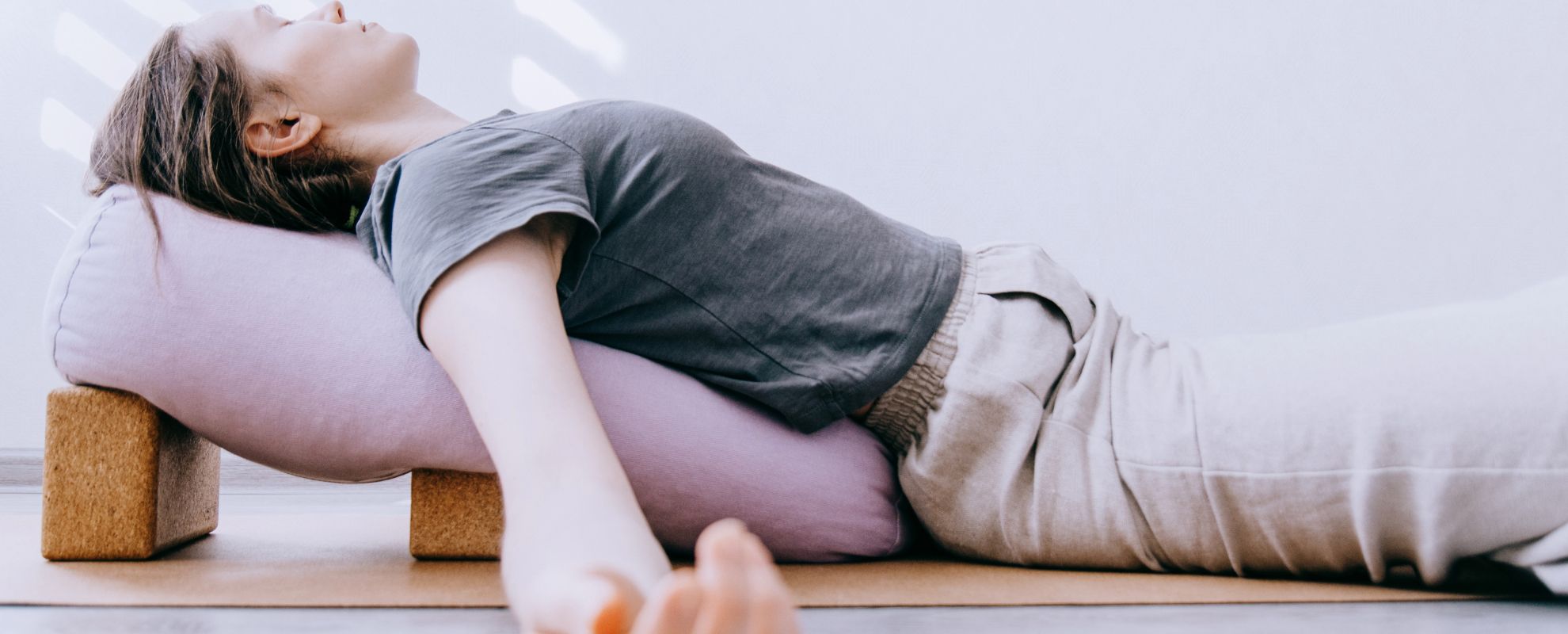
  • Supported Savasana: Promotes deep rest and mindful breathing

Always move slowly and listen to your body. If you are unsure whether a pose is safe for you, especially if you are experiencing active bleeding or very low platelet counts, speak with your healthcare team first.

A Complement to Medical Care

Yoga is not a replacement for medical treatment, but it can be a powerful complement. It helps patients feel more in control, more connected to their bodies, and better equipped to manage the emotional and physical challenges of ITP.

If you are new to yoga, consider starting with a Yin or restorative class, either online or in person. Look for instructors who understand chronic conditions or offer trauma‑informed practices.

Yoga offers a quiet space to breathe, reflect, and heal. For people living with ITP, it can be a valuable tool for restoring balance, reducing stress, and supporting overall well-being, one breath at a time.

Take the First Step

If you are interested in exploring yoga as part of your wellbeing journey with ITP, start by reaching out to your local yoga studio or community centre. Many offer gentle or Yin Yoga classes suitable for beginners and adaptable to your needs.

Taking the first step toward yoga does not require experience or flexibility — just curiosity and a willingness to try. Connect with a teacher, ask about low‑impact options, and discover how yoga can help calm the nervous system, reduce stress, and support your mental health while living with ITP.

Yoga and other forms of exercise can be beneficial, but people living with ITP should always consult with their healthcare team before starting new activities. Your doctor or haematologist can help ensure that any exercise program is safe and appropriate for your individual health needs.

The information in this article is provided for general information purposes only. It is not intended to replace professional medical advice, diagnosis, or treatment. Always seek guidance from your healthcare professional for any questions about your health or specific treatments.